Blog
From Groundbreaking to Finish: Navigating the Excavation Lifecycle
The excavation process begins with meticulous planning and preparation. This initial stage involves site evaluation, soil testing, and obtaining necessary permits. Hansen Earth Works conducts thorough assessments to determine the appropriate excavation techniques tailored to each project’s unique requirements. This diligence helps prevent complications such as soil instability or environmental impacts that could lead to costly delays later on.
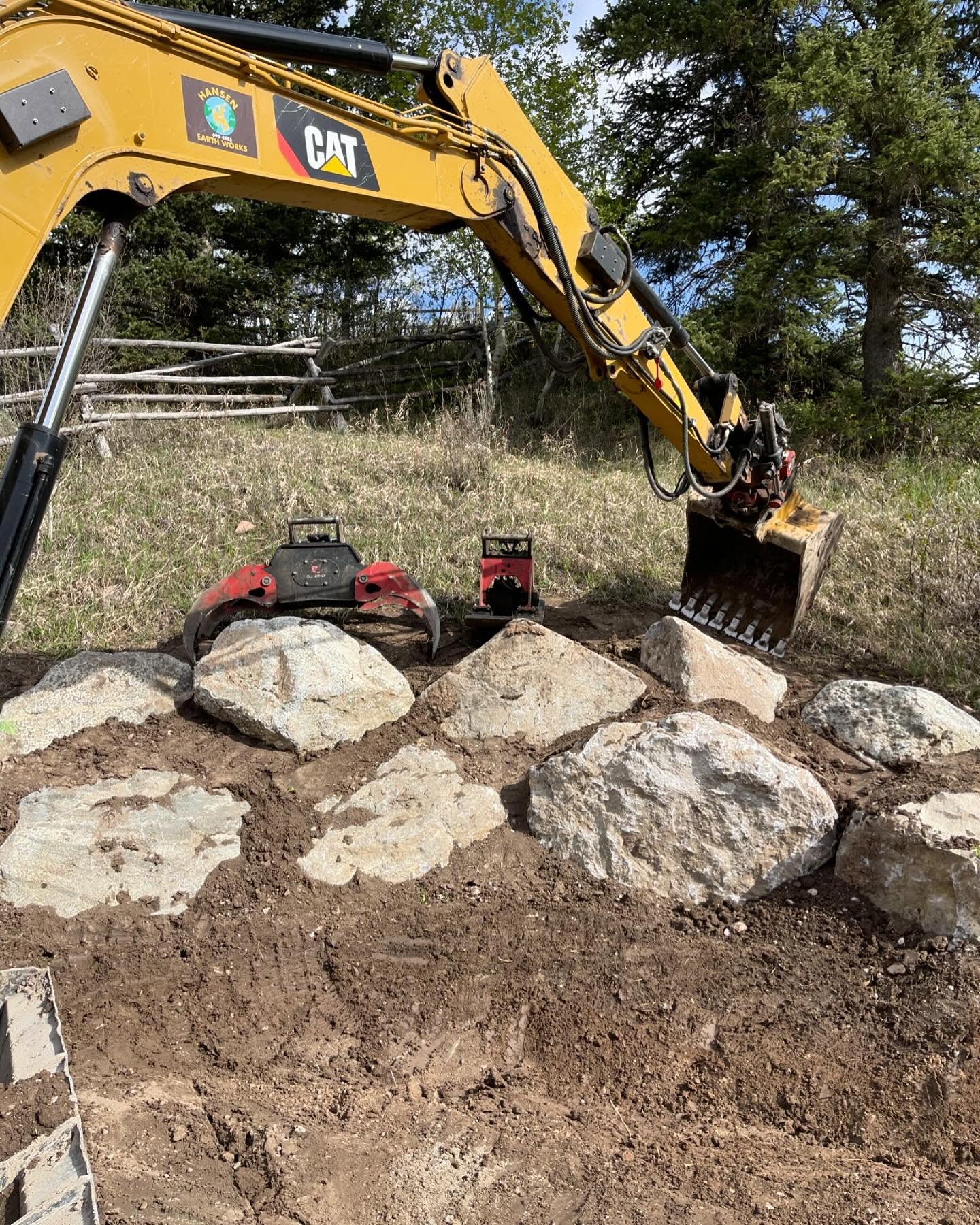
Once planning is complete, the next phase is site clearing. This involves removing trees, rocks, and other obstructions to ensure a clean and safe work environment. At Hansen Earth Works, safety is a top priority. Properly clearing the site not only sets the stage for excavation but also minimizes potential hazards for workers and equipment.
The actual excavation process follows, where precision is key. This stage involves the removal of soil to the desired depth and shape according to the project blueprints. It includes tasks such as trenching for utilities and grading for foundations. Hansen Earth Works utilizes advanced excavation equipment and technology to achieve precise results, ensuring the site is ready for construction. This accuracy in excavation is pivotal in preventing future foundation issues, which can arise from uneven or improperly compacted surfaces.
Next comes utility installation, a critical part of the excavation lifecycle. Proper trenching and precise depth control are essential for installing water, sewer, gas, and electrical lines. Hansen Earth Works employs skilled operators who understand the importance of accuracy in protecting these essential services from damage during both installation and future site activities.
Following utility installation, backfilling and compaction work ensures that the excavated site is structurally sound and ready for building. This step involves refilling trenches and foundations, compacting the soil to eliminate voids and settling issues. The expertise of Hansen Earth Works ensures that every layer is compacted to prevent ground shifting, which could affect the stability of structures above.
Throughout the excavation process, erosion control is a critical consideration, safeguarding the site against environmental wear. Implementing measures such as silt fences and erosion blankets helps prevent soil erosion and sediment runoff, which is essential for the longevity of the construction and for meeting environmental regulations. Hansen Earth Works includes erosion control measures as part of their comprehensive excavation services.
Finally, the completion of excavation marks the transition to the next phases of construction. A well-executed excavation by professionals like Hansen Earth Works establishes a strong groundwork for builders to proceed confidently. Any project, big or small, benefits tremendously from solid underlying work, reducing risks and enhancing safety and structural integrity.
In conclusion, from the careful preparations to the meticulous execution of each excavation task, Hansen Earth Works delivers quality and reliability throughout the excavation lifecycle. Understanding the importance of each phase not only enriches the builder’s perspective but also ensures the overall success and longevity of the construction project. By choosing a trusted partner like Hansen Earth Works, you equip your construction endeavors with the best possible start, paving the way for successful completion.