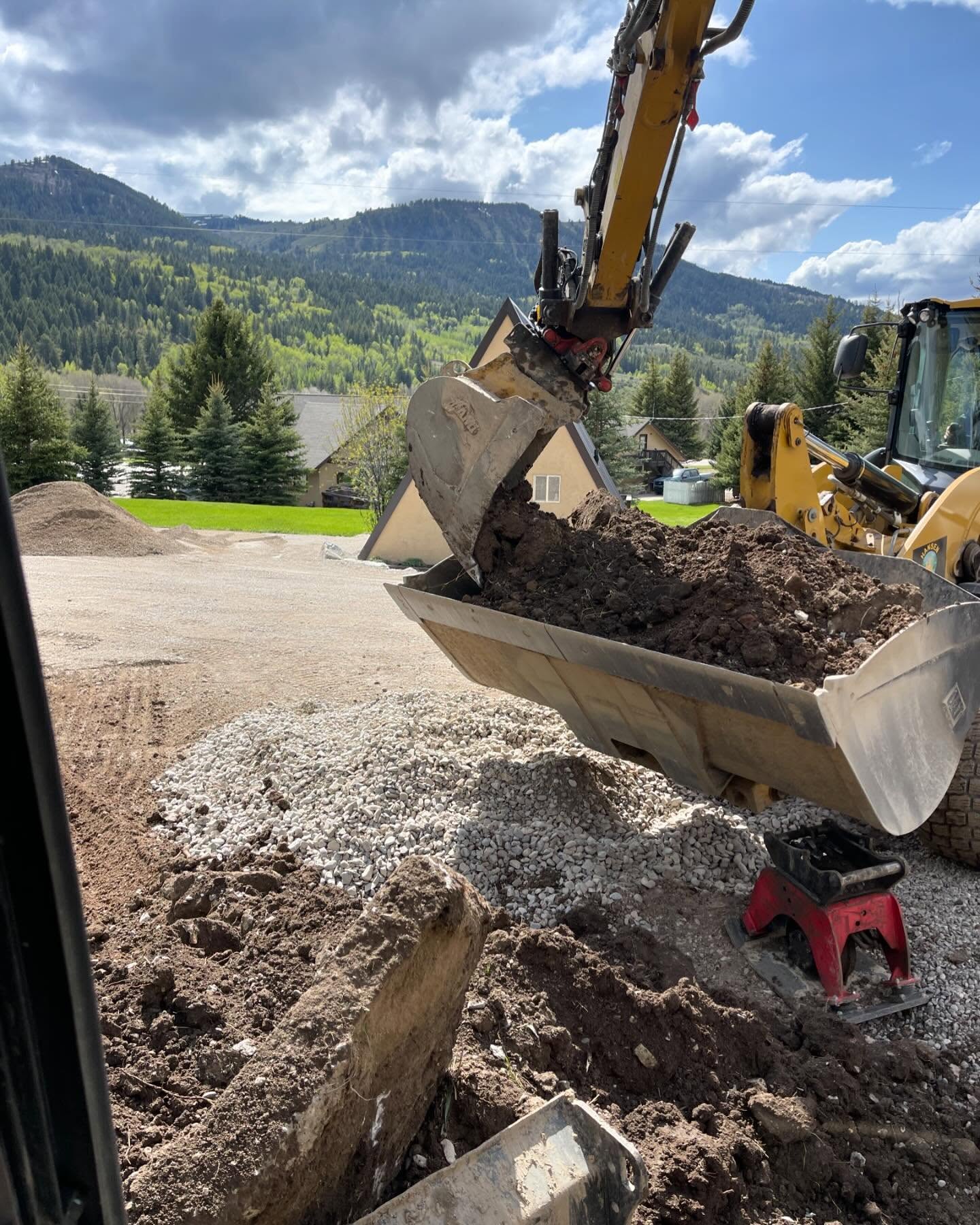
The Integration of Virtual Reality in Excavation Planning Jun 05, 2026
Excavation planning is critical to the success of any construction project. Traditionally, the planning process relies heavily on drawings and blueprints, site surveys, and expert judgment. While these methods have been effective, they do have limitations. Physical plans can sometimes fail to convey the three-dimensional complexities of a site, leading to potential errors or misunderstandings.
This is where virtual reality becomes invaluable. By creating immersive digital simulations of excavation sites, VR allows project managers, architects, and clients to visualize the project in a 3D environment. This can significantly improve planning accuracy and communication among teams. The ability to virtually walk through and interact with the excavation areas provides insights that are difficult to achieve through traditional methods.
One of the most significant benefits of using VR in excavation planning is the enhanced ability to identify potential issues before actual digging begins. By exploring the virtual site, teams can spot possible obstacles like underground utilities or difficult terrains that might not be apparent in 2D plans. This proactive approach helps prevent delays, reduces risks, and saves money by addressing problems before they arise on the field.
Moreover, VR can improve client engagement. At Hansen Earth Works, we use VR to ensure our clients are fully informed and confident in our approach before breaking ground. Clients can experience an interactive representation of their projects, giving them a clearer understanding of the excavation process and build trust in our capabilities. This transparency fosters better relations and sets the foundation for successful project outcomes.
Safety is another critical aspect that VR technology enhances in excavation projects. Training workers using virtual reality scenarios allows them to experience potential hazards in a risk-free environment. This preparation helps ensure that everyone on site is more aware and better equipped to handle unforeseen circumstances, leading to safer working conditions.
Additionally, VR reduces the environmental impact of excavation projects. By accurately simulating different scenarios, project teams can optimize strategies to minimize waste and avoid unnecessary environmental disruption. This commitment to sustainable practices aligns with the values at Hansen Earth Works, as we strive to minimize our ecological footprint.
As the technology becomes more advanced and accessible, the cost of implementing VR in excavation planning continues to decrease. This makes it a more viable option even for smaller projects. At Hansen Earth Works, we are committed to leveraging these technological advancements to provide cost-effective, high-quality excavation services.
In conclusion, the integration of virtual reality in excavation planning is revolutionizing the construction industry. It not only enhances accuracy and efficiency but also improves client relations and safety while promoting environmental sustainability. Hansen Earth Works is proud to be at the forefront of adopting such innovative practices, ensuring that every project is carried out with precision and excellence. Whether you're breaking ground on a commercial site or residential development, consider how VR can transform your excavation process and contact us to see how we can bring your vision into reality.
/filters:no_upscale()/filters:format(webp)/media/6f2b52e1-2e2e-47db-9f59-7696dd45e429.jpeg)