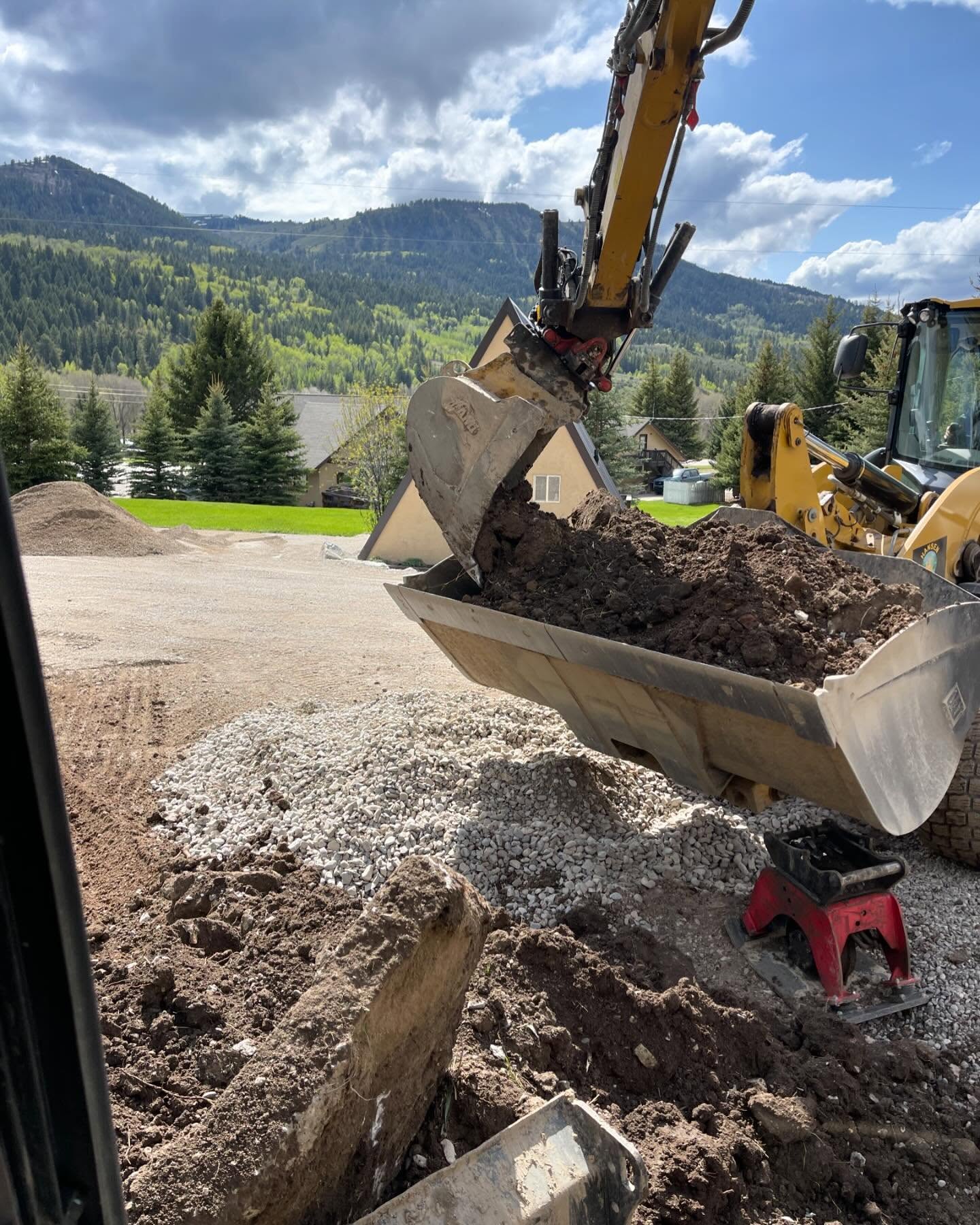
The Importance of Excavation Site Safety: Tips and Insights Feb 04, 2026
To appreciate the significance of safety in excavation, one must understand the inherent risks involved. Trenching and excavation activities are among the most hazardous in the construction sector. Risks include cave-ins, which are the primary danger and account for numerous injuries and fatalities. Additionally, there are potential risks from falling loads, hazardous atmospheres, and incidents related to heavy machinery. By prioritizing safety, excavation companies not only protect their employees but also enhance operational efficiency and project success.
Implementing a comprehensive excavation site safety plan is essential. This begins with proper training and education. Workers must be familiar with safe practices, understanding the specific dangers associated with their tasks. Training should cover how to safely enter and exit trenches, recognize potential hazards, and proper use of safety equipment. Hansen Earth Works, like other leading companies, emphasizes consistent training to keep employees informed and prepared.
Soil analysis is a critical step in ensuring site safety. Understanding the type of soil helps in determining the appropriate protective system. Stable rock is the most secure, whereas other types may require grading or protective shields. Regular soil testing during the project helps ensure that initial safety measures remain effective, adjusting as necessary based on environmental changes like weather.
Another crucial aspect of site safety is the use of protective systems. These include shoring, shielding, and benching—each vital for preventing cave-ins. The choice among these systems depends on soil conditions, the depth of the trench, and possible surrounding loads. Properly installed systems can significantly reduce risks, safeguarding workers during operations.
Communication plays a major role in excavation safety. Open lines of communication ensure all team members are aware of the current site conditions and any changes or potential hazards. Teams should conduct daily safety briefings to discuss the day's activities, review safety protocols, and address any emerging concerns. This proactive approach can significantly diminish the chances of accidents.
Furthermore, regular inspections by a competent person are mandatory. This individual should be well-versed in trenching and excavation procedures, capable of identifying existing and potential hazards, and authorized to take prompt corrective measures. Inspections should be routine, especially after any changes in weather, ensuring all safety systems remain intact and effective.
In conclusion, excavation site safety is not just a regulatory requirement but a vital aspect of protecting the workforce and ensuring project success. By implementing rigorous safety protocols, conducting thorough training programs, and maintaining clear communication, companies like Hansen Earth Works can minimize risks and enhance productivity. Safe excavation practices not only prevent accidents and injuries but also foster a culture of safety and responsibility, contributing to overall operational excellence. By adhering to these guidelines, the construction industry can continue to thrive safely and sustainably.
/filters:no_upscale()/filters:format(webp)/media/6f2b52e1-2e2e-47db-9f59-7696dd45e429.jpeg)