The Environmental Impact of Excavation and How to Minimize It Mar 12, 2026
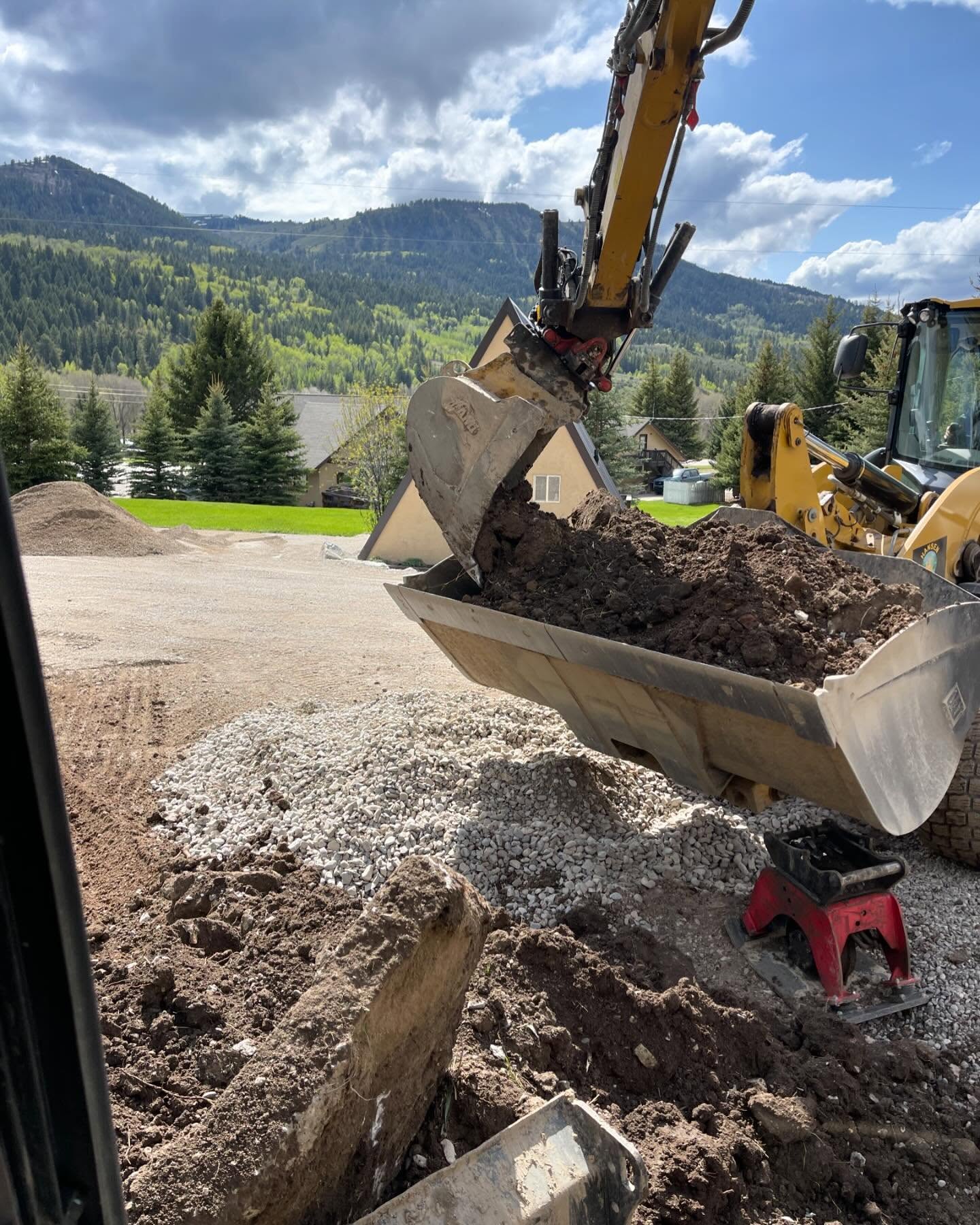
Excavation, by its nature, alters the land and its immediate ecosystem. Typically, projects require removing soil, rocks, and other materials, which can disrupt local habitats and harm biodiversity. Furthermore, the process often contributes to soil erosion, and if not managed carefully, disturbed topsoil can lead to sediment runoff into nearby water bodies. This runoff can result in water pollution, harming aquatic life and affecting water quality for communities.
Air quality can also be affected as excavation activities release dust and emissions from machinery. These pollutants can have negative health impacts on workers and nearby residents, making it imperative to monitor and control airborne particulates.
Despite these challenges, there are several strategies to minimize the environmental footprint of excavation. Firstly, thorough site analysis before commencing any project can help. By understanding the ecological and geological characteristics of an area, Hansen Earth Works can plan with minimal disruption. This includes identifying and protecting existing habitats and considering factors like natural drainage patterns and soil stability.
Implementing advanced erosion and sediment control measures is another key step. Installing silt fences, sediment basins, or using organic mats to stabilize the soil are effective methods. These controls ensure that loose soil does not wash away during rainstorms, thus protecting nearby water bodies from sediment pollution.
Using more sustainable practices and equipment is also critical. Hansen Earth Works is committed to utilizing the latest technology in fuel-efficient machinery to reduce carbon emissions. Regular maintenance of equipment ensures it operates optimally, further minimizing emissions and reducing fuel consumption.
Moreover, recycling and reusing materials whenever possible can significantly cut down waste. By integrating processes to repurpose excavated material in other phases of construction, or in other projects altogether, companies can reduce the environmental impact associated with the disposal of debris.
Communication and collaboration with all stakeholders, including environmentalists, local governments, and the community, can enhance awareness and promote best practices. This involves transparent reporting on environmental measures and incorporating feedback for continuous improvement.
Finally, education and training for staff ensure that everyone at Hansen Earth Works is equipped with the knowledge and skills necessary to execute projects responsibly. Regular workshops on environmental responsibility, new technologies, and best practices help reinforce the company’s commitment to sustainable development.
In conclusion, while excavation inherently impacts the environment, companies like Hansen Earth Works can minimize these effects through careful planning, sustainable practices, and community engagement. By adopting a proactive approach and continuously exploring innovative strategies, we can mitigate the environmental impact of our work and contribute positively to our planet's health. Ensuring the balance between development and environmental preservation is not only responsible business practice but essential for building a sustainable future.
/filters:no_upscale()/filters:format(webp)/media/6f2b52e1-2e2e-47db-9f59-7696dd45e429.jpeg)