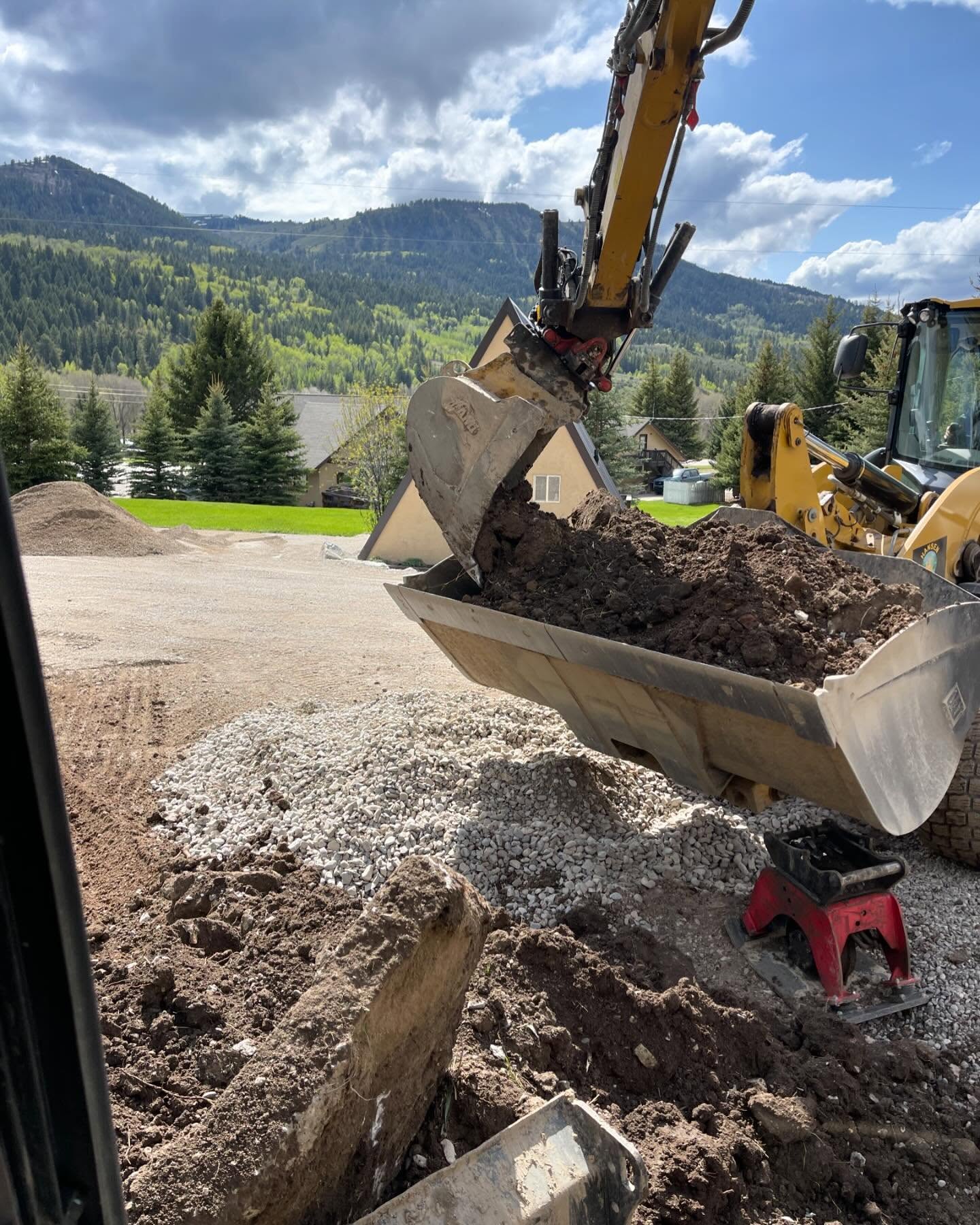
How Modern Technology Is Revolutionizing the Excavation Industry Feb 27, 2026
To begin with, the introduction of GPS technology has been a game-changer for excavation companies. GPS-equipped machinery allows for precise mapping and plotting of land before any physical work begins. This precision does not only mean more accurate outcomes but also translates into cost savings by minimizing material wastage and reducing the time required to complete tasks. Clients of Hansen Earth Works have observed faster project completion times and more predictable timelines, enhancing overall satisfaction with the process.
3D modeling and Building Information Modeling (BIM) are other technologies reshaping the excavation landscape. These tools offer a virtual representation of the excavation site, allowing engineers and contractors to identify potential issues before they arise. With this capability, project managers can create detailed plans that mitigate risks and ensure safer working conditions. Moreover, these models improve communication among stakeholders, fostering a collaborative environment where decisions can be made more swiftly and effectively.
Drones have also become indispensable tools in modern excavation. At Hansen Earth Works, drones are used for aerial surveying and progress monitoring. They provide high-resolution images and real-time data, which help project managers make informed decisions without the need for constant on-ground supervision. This technology ensures that projects stay on track, and any deviations are quickly addressed. Clients benefit from the enhanced transparency and accountability that drones provide, making them a valuable addition to the industry’s toolkit.
Another area where technology is making a significant impact is in equipment automation. Automated machinery is changing the way excavation tasks are performed. These machines can operate with minimal human intervention, leading to consistent performance and reducing the risk of human error. For instance, automated excavators and bulldozers can be programmed to execute complex tasks with precision, ensuring high-quality results. Safety is also improved as operators have less exposure to potentially hazardous environments.
Furthermore, the adoption of smart wearables is adding an extra layer of safety for workers on site. These devices can monitor vital signs and environmental conditions, sending alerts to supervisors if any readings deviate from safe parameters. This proactive approach to safety ensures that potential hazards are addressed before they result in accidents, providing peace of mind to both workers and project managers.
In conclusion, as technology continues to advance, the excavation industry is poised for even greater transformations. Companies like Hansen Earth Works are leveraging these technological advancements to deliver superior services and outcomes for their clients. By embracing tools like GPS, 3D modeling, drones, and automated machinery, they are setting new benchmarks in efficiency, safety, and accuracy. These innovations not only enhance operational capabilities but also strengthen client relationships through improved project execution and transparency. As we look to the future, it’s clear that modernization through technology will continue to drive the excavation industry forward, benefiting both businesses and their clients alike.
/filters:no_upscale()/filters:format(webp)/media/6f2b52e1-2e2e-47db-9f59-7696dd45e429.jpeg)